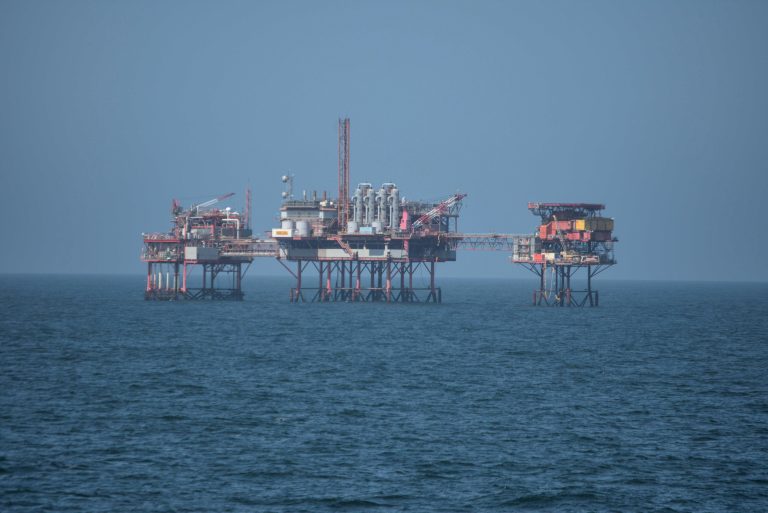
Jesuit Missions has backed calls for new Prime Minister Andy Burnham to reject plans to drill into the North Sea’s Rosebank oil field.
Its Director, Jonathan Heard, joined other leaders of Catholic organisations in signing an open letter to the PM urging his government to prevent extraction at the site.
Rosebank is the largest untapped oil field in UK waters. It is estimated that developing it would result in 254 million tonnes of CO2 emissions, which is the equivalent to roughly 70 per cent of the country’s total current carbon output.
“The climate crisis is not simply an environmental challenge but a profound social one,” the letter reads.
“Its consequences are already being felt by millions of people across the world, including the UK, with the greatest burdens falling on those who have contributed least to the problem.”
Jesuit Missions works with several partners in places that are disproportionately impacted by the effects of climate change.
With Jesuit Missions’ support, they continue to raise awareness of this issue and campaign for climate justice so they can seek to reverse it.

The letter notes that approving Rosebank would only exacerbate climate problems and would stymy any ambitions the country has to address them.
“The emissions associated with burning the oil and gas extracted from the field would be immense, while approving the project would risk locking the UK into decades of continued fossil fuel production just as we need to accelerate the transition to cleaner sources of energy,” it reads.
It quotes Pope Francis’s global call to move away from fossil fuels and towards greener energy and references Pope Leo XIV’s plea for current generations to protect our planet for future ones.
These, it notes, are ambitions that all powers, including the UK government, should aspire to achieve – and that they can take measures to do so.
“Choosing not to approve Rosebank would demonstrate that the United Kingdom is prepared to match its climate commitments with practical action,” the letter continues.
“It would be a decision that reflects both scientific evidence and our shared moral responsibility to care for our common home and to protect those who are most vulnerable to the impacts of climate change.”