“Your voices, and your daily actions, and those of your loved ones is what is shaping the care for our Common Home.”
This was the message from Daniela Alba, Advocacy Coordinator at the Society of Jesus’s Social Justice and Ecology Secretariat, for pupils that took part in Jesuit Missions’ Mini COP conference on Friday (13 November).
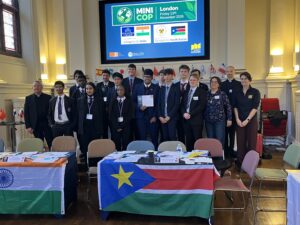
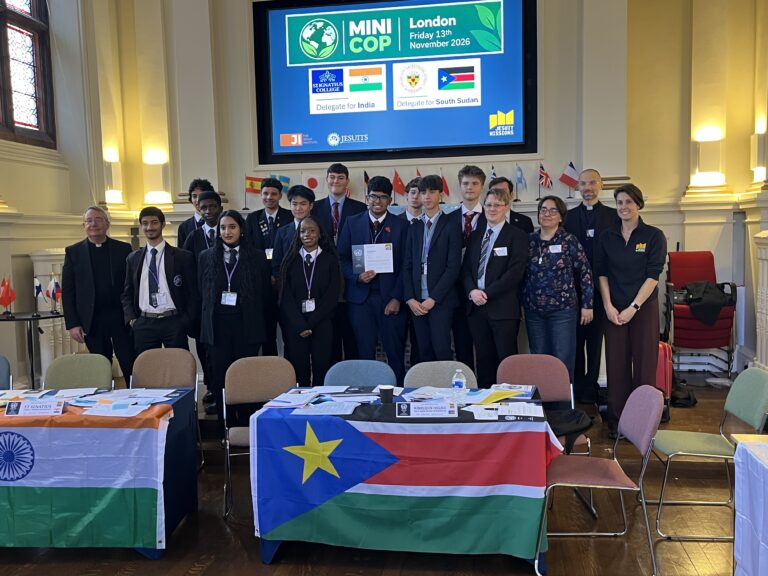
The students, from Jesuit schools St Ignatius College in Enfield and Wimbledon College, took inspiration from these words, as they thought about the impact of the climate crisis, particularly on marginalised groups, and sought solutions to this.
With the main annual COP climate conference being held in Türkiye between 9-20 November, pupils were tasked with acting out scenes taking place in the halls of the Antalya Expo Centre.
Designated a country that is seriously affected by climate change, and one which houses projects supported by Jesuit Missions, each school had to outline the problems they face, notably when it comes to water, pitch for financial support and negotiate for a final economic package based on 20 ‘COP units’ on offer.
They also had to manage a surprise twist, something they were unprepared for that would force them to rethink their proposals.
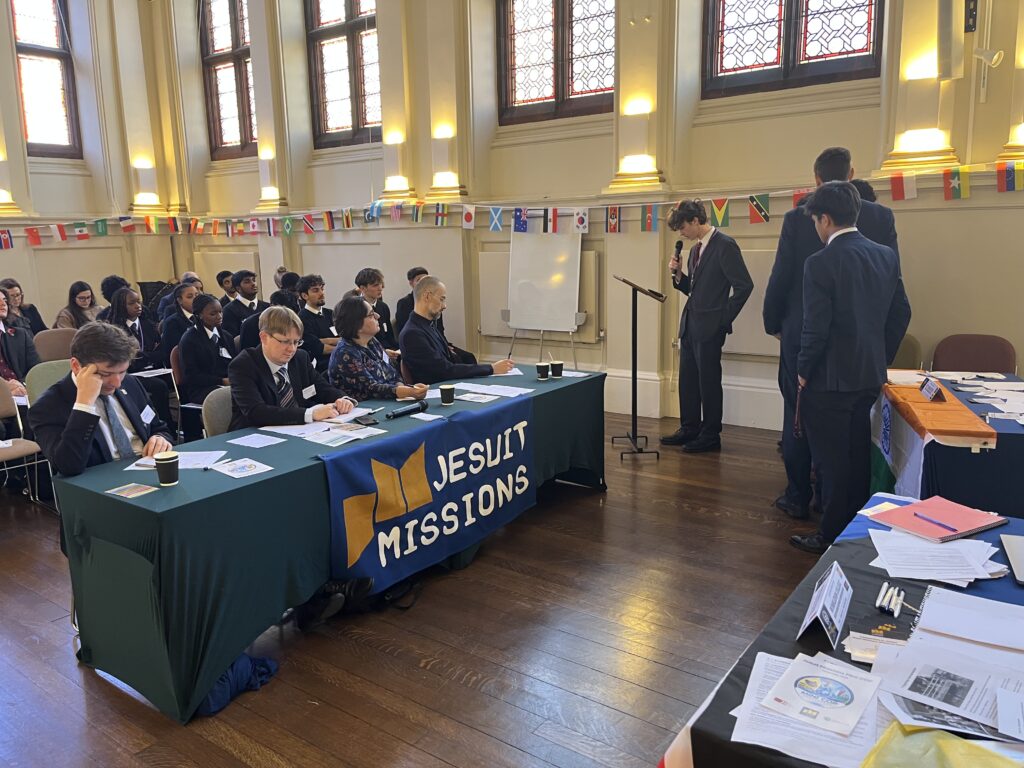
The audience at the London Jesuit Centre heard how South Sudan, represented by Wimbledon College, continues to face crippling poverty and instability, suffers from both heavy rains and drought, and has been flooded with refugees from neighbouring Sudan, leaving it “completely overwhelmed”.
The delegation proposed fixing and maintaining boreholes, which are vital for extracting water, creating a green, efficient solar water network, and building flood-resistant toilets as ways of addressing their country’s situation.
Similarly, India, represented by St Ignatius College, spoke of its dependence on agriculture, which is often hit by extreme weather patterns. It also pointed to its huge population and potential, something that is hampered by nationwide inequality and a relative lack of water.
The delegates suggested a complete revamp of its water infrastructure; from new irrigation techniques for farmers and land restoration projects, to improved waste management and a better water distribution system.
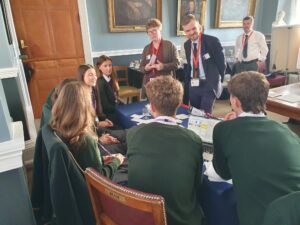
While the schools prepared to discuss their positions with one another, it emerged that a third country had joined proceedings. A Jesuit Institute team representing Madagascar – another impoverished nation with serious water and environmental problems – would also state its case for funding.
After intense negotiations, each delegation put forward a final plea to the Mini COP Presidency of Fr Peter Rožič SJ, Director of the Integral Ecology Research Network, Sr MaryAnne Francalanza, Director of the FCJ Centre for Spirituality and Eco-Justice, Jonathan Heard, Director of Jesuit Missions, and Colm Fahy, International Advocacy Advisor at WWF-UK, where they outlined where they thought the COP units should be allocated.
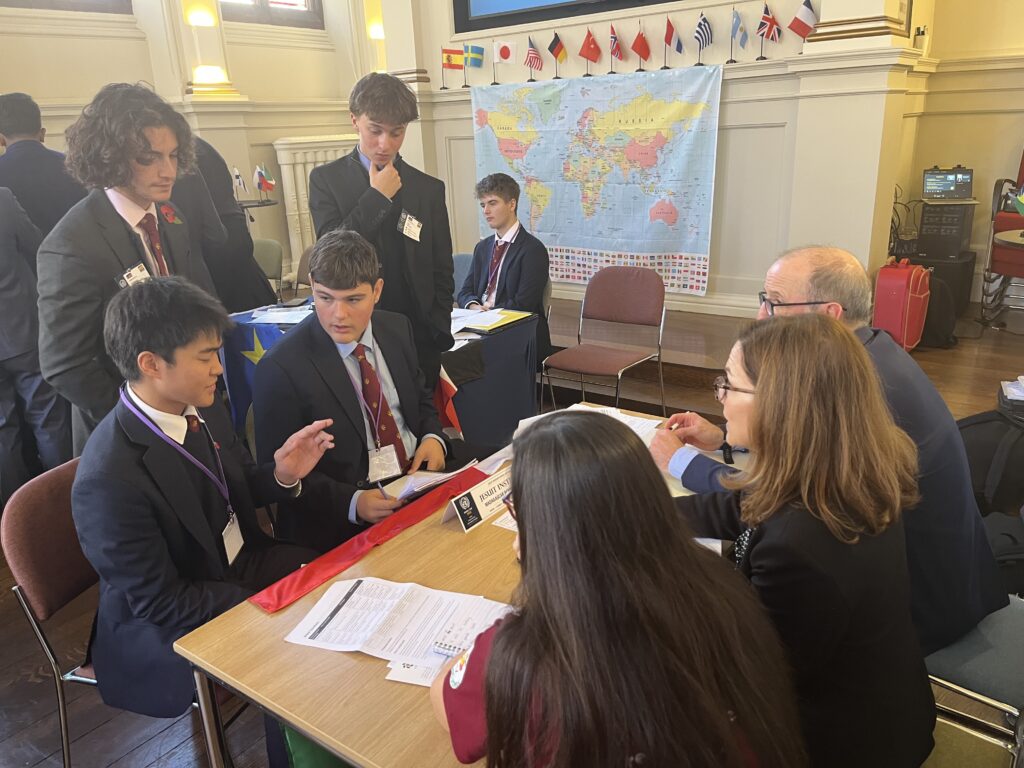
While each country proposed a package weighted towards itself, the Presidency decided that each nation would receive eight units, with four of those given to India offered as loans subject to the introduction of new legal measures.
Madagascar and South Sudan accepted the plan but, after much internal debate, India dramatically refused, noting that its size, and the scale of the challenges it faces, means it cannot be burdened with loan repayments and additional conditions.
This impasse highlighted the often-difficult nature of multi-lateral talks, though did not diminish their importance, particularly when it comes to a subject as vital as the environment.
Jules Gibson, Community Engagement Manager at Jesuit Missions, said: “The event showcased the power of young people to turn concern into meaningful climate action.
“Through collaboration, negotiation and advocacy, pupils developed confident voices, explored practical solutions to the real challenges facing vulnerable communities, and connected their local commitment to climate justice with the global discussions at COP31 in Turkey, helping shape a fairer, more sustainable future for all.”
Jonathan Heard, Director of Jesuit Missions, said: “Seeing the research and thought that the pupils put into their presentations, and watching them work together, negotiate and compromise to best support those they represented gives me great confidence for the future.
“By giving them this opportunity to see how these issues are debated and settled, we can ensure that the next generation are best placed to meet the challenges they face.”