As delegates departed Bonn, Germany, last week, having gathered for the supplementary talks for this year’s COP, it was clear that little of substance had been agreed.
Once more, while there was an obvious desire to implement climate justice policies, politics seemed to stand in the way of progressing the process. It means those badly affected by the climate crisis – people who, often, have done the least to cause these issues – remain very much at risk.
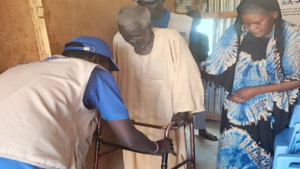
Jonathan Heard, Director of Jesuit Missions, said: “We support projects in several countries especially vulnerable to the impact of climate change, and we regularly see the devastating effect it can have on those living there.
“An increase in the frequency of extreme weather patterns threaten their homes and their livelihoods. Our partners are working hard to address these issues, but a solution can only be fully achieved with the support of the entire global community.”
This most recent deadlock boiled down to who is going to pay for the measures that will enable those in poorer, climate-vulnerable nations to deal with the impact of climate change.
In the case of finance for climate adaptation measures, promises made in Brazil at COP30 were not fulfilled. When developed countries could not commit to a tripling of an adaptation package for those most in need of it, something that was pledged in Belém last year, representatives from the Africa Group of Nations pulled out of negotiations.
As such, conversations and, ultimately, any practical moves, around the global approach to adaptation will need to start afresh at COP31 in Antalya, Turkey, in November.
Other key areas such as funding climate mitigation and the just transition away from fossil fuels still face similar political struggles, though it’s likely they will once again feature prominently at the next edition of COP.
Those pushing for climate justice – including the Jesuits – will continue to stress the urgency around the need to act. When there can be little time left to lose, the lack of outcomes seen in Bonn, and other conferences before it, could result in irreversible damage to our planet.