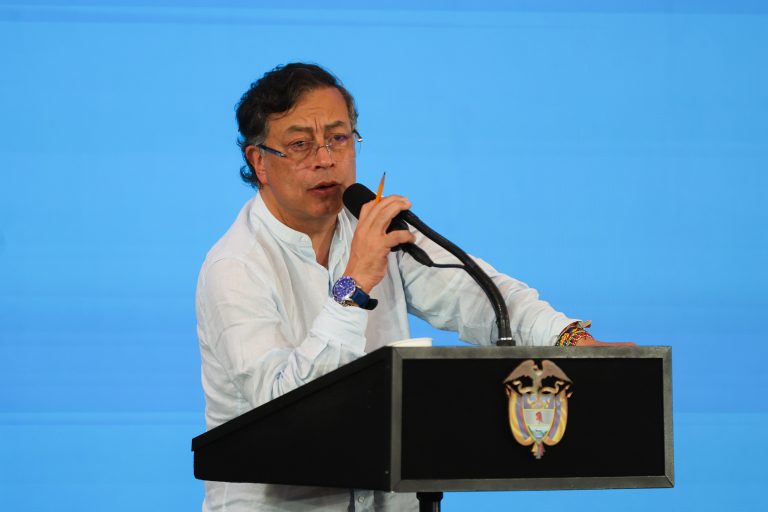
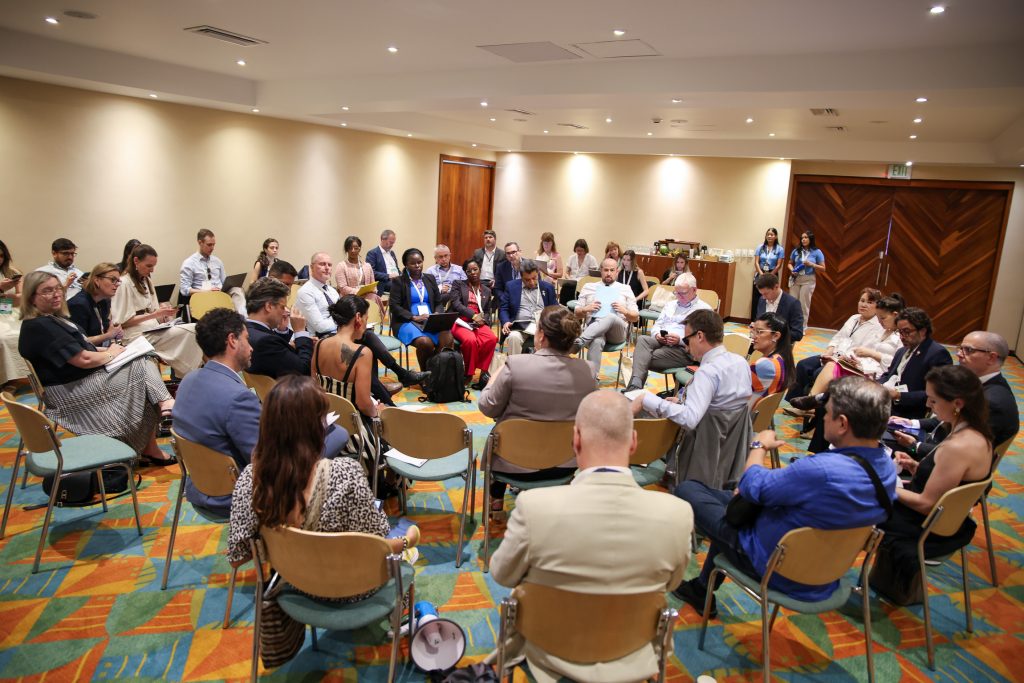
Last month, representatives from almost 60 countries – including UK Climate Envoy Rachel Kyte – came together at the first ever conference on the Transition Away from Fossil Fuels in Santa Marta, Colombia.
The summit, which was co-hosted by the Netherlands, was not seen as a place to settle on binding agreements, nor a replacement for the UN’s annual Conference of the Parties (COP), but rather a space to discuss how to move forward on an issue seriously affecting the planet’s environment.
Some of the world’s major fossil fuel producers were in attendance, such as Canada and Brazil. At the same time, many others were not present, including the US, Russia and China.
So, what was it like? What actually came out of it? And what happens next?
A different type of conference
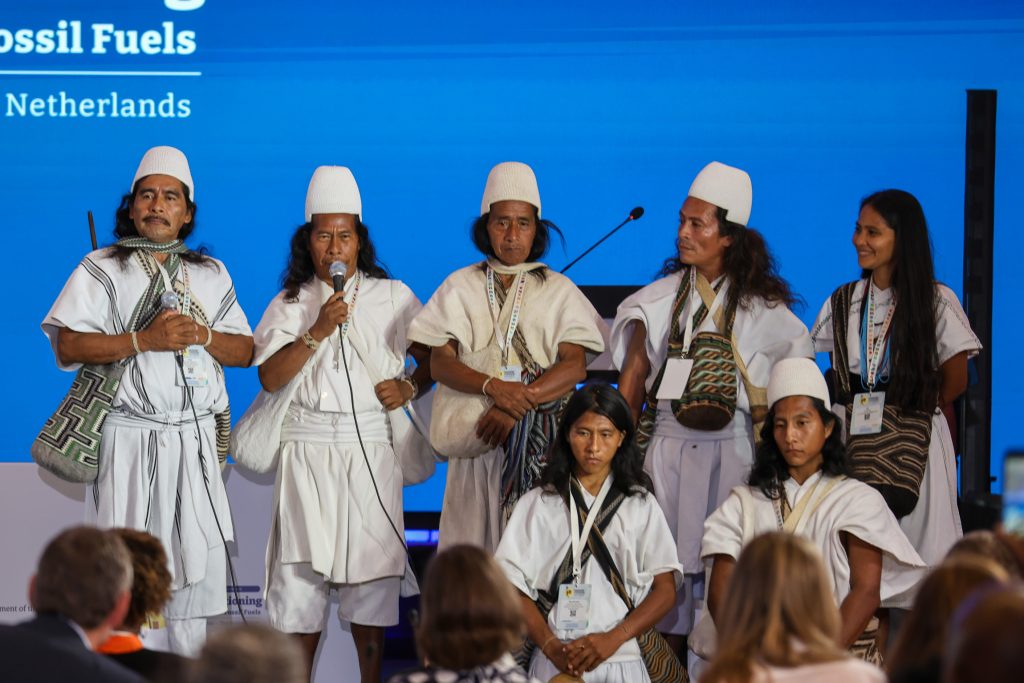
One of the key aspects of Santa Marta was that delegates felt they could discuss topics more freely in a less formal environment.
There was also a clear commitment to involving a whole range of communities, especially those who are disproportionately impacted by climate change yet often overlooked. These included Indigenous groups, young people and those of African origin.
The impact of geopolitics was also brought to the fore. Set against the backdrop of conflict in the Middle East, notably in Iran, those present viewed fossil fuel use not only as an environmental risk, but one that could seriously impact economic security.
What were the outcomes?
The conference threw up three themes which are set to drive the conversation at follow-up events.
Calls were made for national and international roadmaps for transition, with a note that they must factor in all stages of the fossil fuel journey, from production and transportation to consumption.
Delegates also pointed to the financial structures which make many countries dependent on fossil fuel use, and how these need to be addressed as a priority.
They then noted the need to examine how trade systems continue to favour the extraction of fossil fuels, and how greener alternatives can be sought.
The summit also led to the creation of a Science Panel for the Global Energy Transition, which will allow for scientific input into any policymaking.
Why should we care?
At Jesuit Missions, we work with several global partners, many of whom are in countries badly affected by climate change.
For example, in South Sudan, small-scale farmers have had to adopt their methods to cope with increasingly frequent and longer dry spells. And in Madagascar, it has fallen on the country’s young people to raise awareness of extreme weather patters that threaten their landscapes and their livelihoods.
We’re also acutely aware that we are based in a part of the world that has contributed to climate change and has not done enough to address this, both at home and abroad.
As such, we will continue to advocate for action in the UK to ensure that positive changes are made for the entire planet.
Onwards to 2027
A second Conference on the Transition Away from Fossil Fuels is set to take place in Tuvalu next year, with Ireland acting as co-host.
This choice of location is once more significant; while Colombia has long been a major fossil fuel producer, the tiny island nation of Tuvalu is among the countries most susceptible to the impacts of climate change.
The announcement builds on the momentum of Santa Marta, and the shared recognition that something must be done to address fossil fuel use. But, as ever, there will be the question of what genuine political impact can this have. We wait to find out.
All photos by IISD/ENB | Mike Muzurakis