“You people are sitting here, so far away. You don’t [always see] who you are supporting. And yet you are still doing it. That is a sign of hope.”
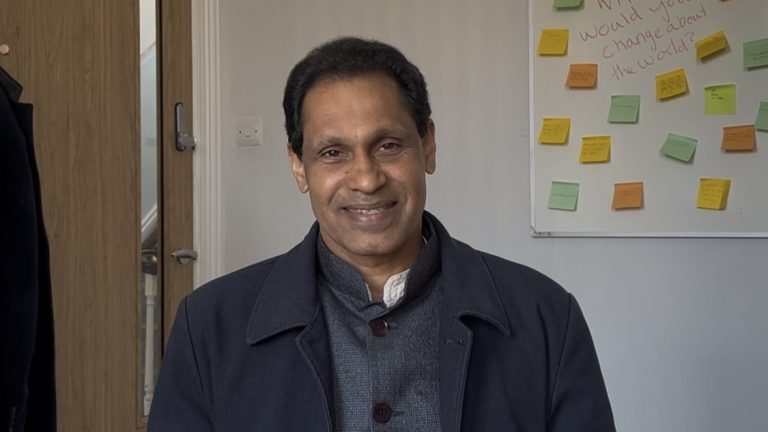
These were the words of Fr Roy Sebastian, National Director of human rights organisation Lok Manch in India, as he spoke with Jesuit Missions’ supporters at its Annual Reception last month.
In an emotional address, he expressed gratitude to all those who engage with Jesuit Missions, noting that their contributions make a genuine difference to some of the world’s most marginalised communities.
Lok Manch, which is backed by Jesuit Missions, trains leaders across India, who advocate on behalf of the country’s poorest to help them secure basic rights, such as access to food and housing.
The bulk of its work involves members of the Dalit (lowest caste) and Adivasi (tribal) groups, who have faced decades of persecution.
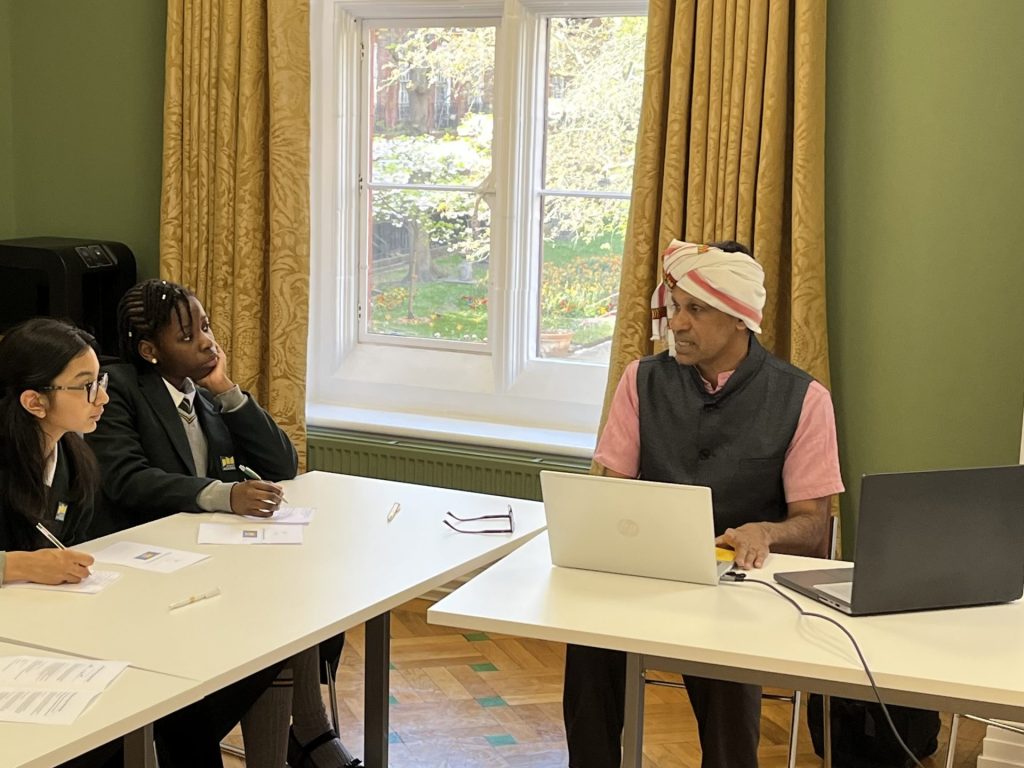
“What you have done for the people of India is so valuable,” Fr Roy told supporters gathered at the London Jesuit Centre.
“When we go into the villages, their eyes brighten. They have nothing to [give] to us, but they feel so dignified in our presence. They feel like human beings, because of what you have done.”
He cited an example of the desperate situation facing many labourers in India, who are paid just one Rupee for every ten bricks they make. It means to earn the equivalent of £1; they would need to produce around 1,200 bricks.
But through organisations such as Lok Manch, those in poverty have hope of a brighter future – and one they are entitled to.
“These people are suffering; they are forced into the cities, and [administration] becomes an issue,” Fr Roy explained.
“But they should have an identity card, they should have a ration card for rice, they should have access to land, they should have the right to live. This is what our trained community leaders demand from the [Indian] Government.”